Carved by one of Iberia's mightiest rivers, the Douro Valley has been producing wine since before the Roman legions marched through its steep schist terraces. Few places on earth wear their history so visibly — layered into every stone wall, every ancient quinta, and every glass of Port poured along these golden hillsides.
Human settlement in the Douro Valley stretches back at least 5,000 years, with prehistoric rock art at Foz Côa — a UNESCO World Heritage Site in its own right — depicting horses, aurochs, and human figures etched into schist outcrops along the river's edge. These engravings, dating to the Palaeolithic era around 22,000 BCE, represent one of the most significant collections of open-air prehistoric art ever discovered. Celtic tribes later established hilltop settlements, or castros, throughout the region, and it was they who first cultivated the wild vines that clung naturally to the valley's dramatically terraced slopes, laying the cultural foundation for everything that would follow.
When Roman legions pushed northward through the Iberian Peninsula in the second century BCE, they encountered a valley already humming with agricultural life. The Romans formalised viticulture here on a remarkable scale, introducing more systematic planting methods and trading wine produced in the Douro basin across their vast empire. Archaeological excavations near the town of Régua and the city of Lamego have unearthed Roman amphorae, inscriptions, and villa ruins that confirm the valley's role as a productive wine-growing province. The Romans also improved river navigation and road infrastructure, transforming the Douro from a local resource into a conduit of commerce that connected the interior of Lusitania to the Atlantic coast.
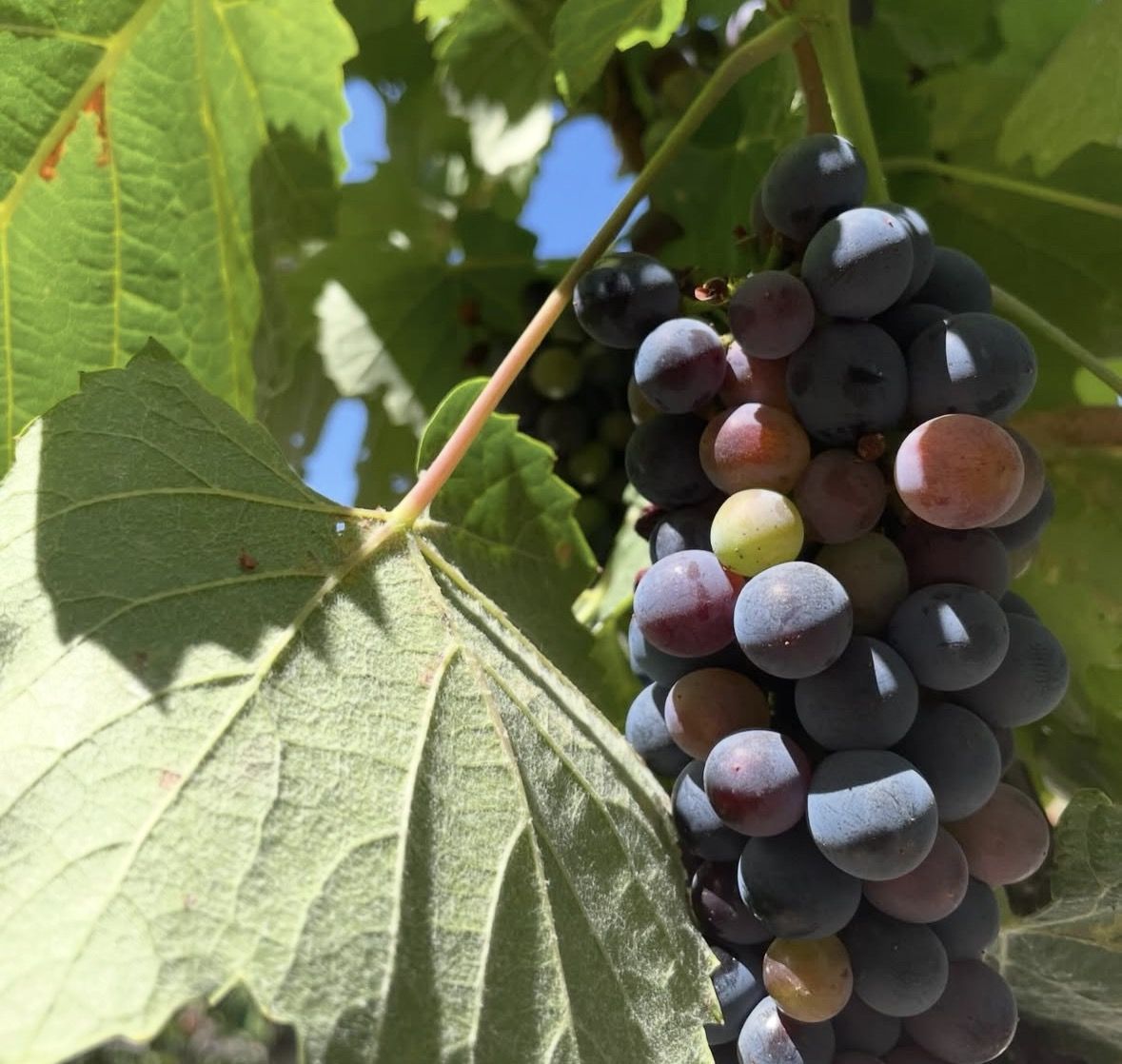
The story of Port wine — the liquid gold that made the Douro Valley famous worldwide — begins in earnest in the late seventeenth century. During the wars between England and France, the English sought alternative wine supplies and turned to Portugal, then a long-standing ally. British merchants travelling through the Douro in 1678 discovered monks at the monastery of Lamego adding aguardente, a grape brandy, to their wine to stabilise it for the long sea voyage to England. This fortification process produced a richer, sweeter, and more robust wine that English consumers adored, igniting a trade that would reshape both economies and permanently define the Douro's identity.
The Methuen Treaty of 1703 cemented the commercial relationship between Britain and Portugal, granting preferential tariffs to Portuguese wines entering English markets. British merchant families — names like Sandeman, Graham, Taylor, and Croft — established trading lodges in Vila Nova de Gaia, directly across the Douro River from Porto, and sent buyers deep into the valley to source the finest grapes. The relationship was so dominant that by the mid-eighteenth century, the British effectively controlled much of the Port wine trade. Fortunes were built, grand quintas constructed, and the terraced vineyards expanded dramatically, reshaping the physical landscape of the valley in ways still visible today.
The Marquis of Pombal, Portugal's powerful prime minister, recognised the dangers of foreign commercial dominance and acted decisively. In 1756, he established the Companhia Geral da Agricultura das Vinhas do Alto Douro, creating the world's first legally demarcated wine region. Stone boundary markers, called marcos pombalinos, were erected across the valley to define exactly which vineyards could produce authentic Douro wine for export. This revolutionary act of geographical designation protected quality, regulated pricing, and reasserted Portuguese sovereignty over one of the country's most valuable exports. It also set a precedent that would inspire wine regions across Europe to adopt similar appellations centuries later, from Bordeaux to Champagne.
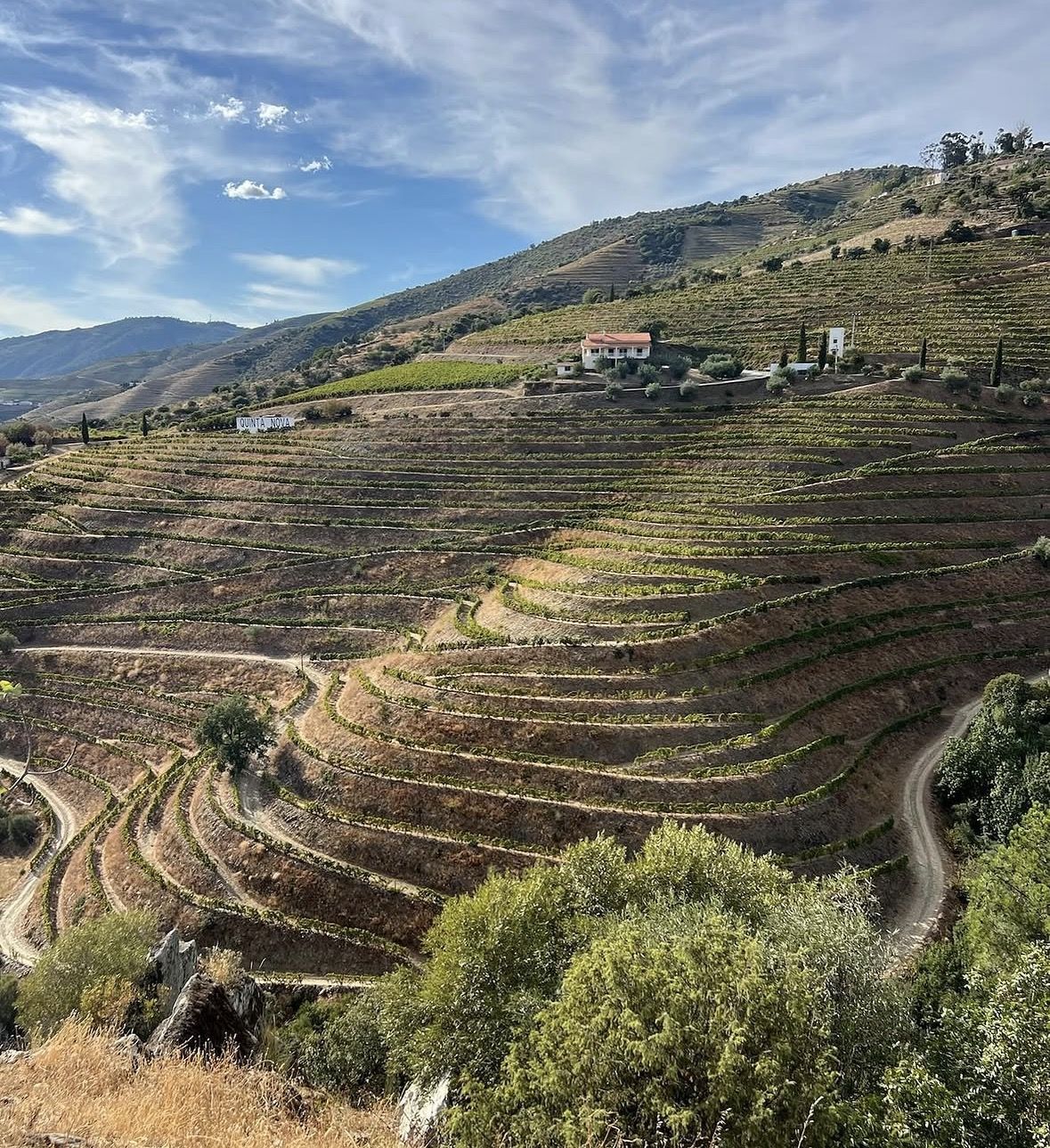
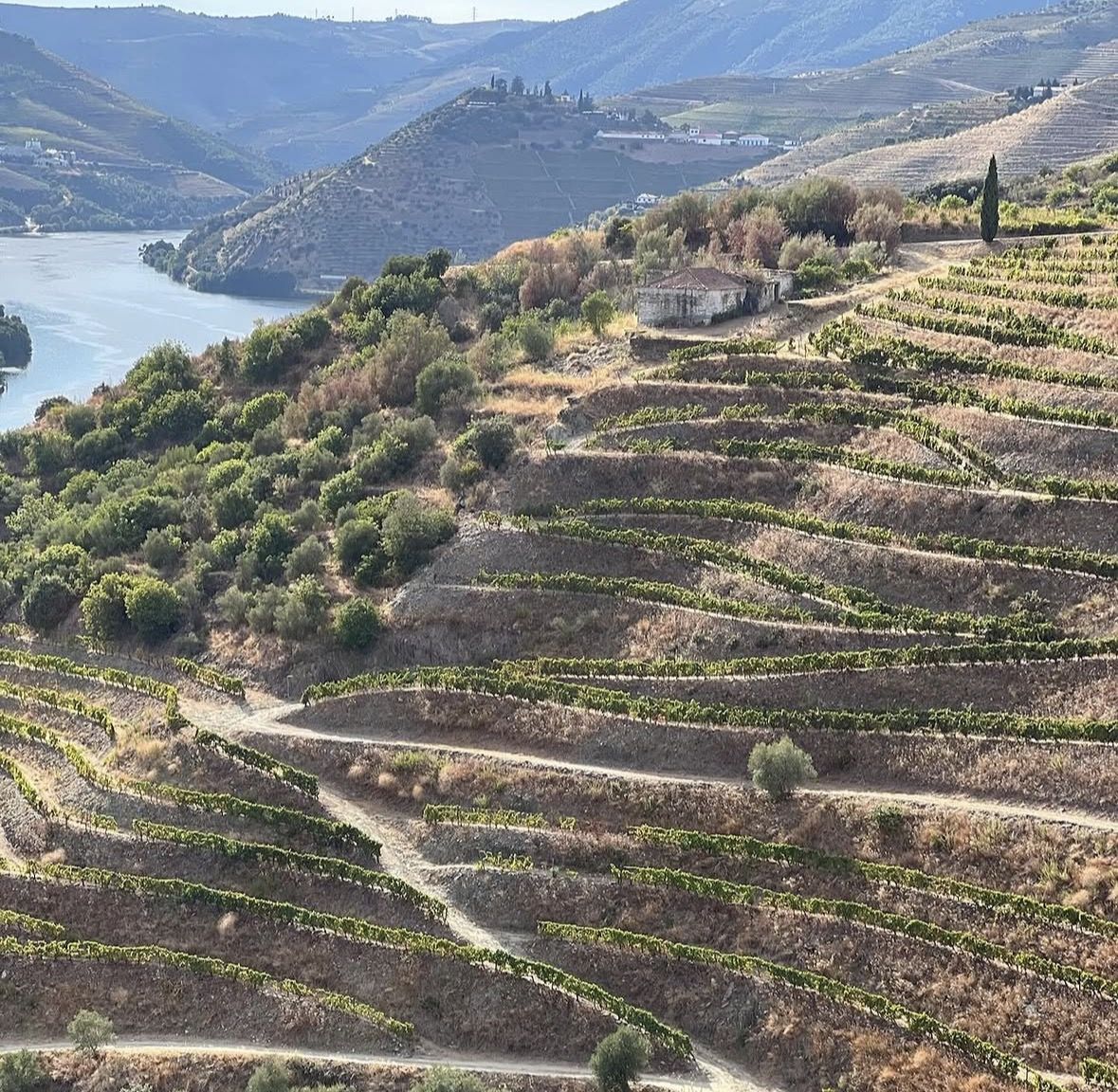
The twentieth century brought profound challenges to the Douro Valley. The phylloxera epidemic, which swept through European vineyards in the late nineteenth century, devastated the Douro's vine stocks, forcing growers to laboriously replant their terraces with grafted rootstock. Then came the upheaval of Portugal's 1974 Carnation Revolution, which ended decades of authoritarian rule and triggered land reforms that temporarily disrupted the established quinta ownership model. Yet the valley's identity proved resilient. Investment in modernised winemaking facilities and renewed interest in unfortified Douro table wines — bold reds crafted from Touriga Nacional, Touriga Franca, and Tinta Roriz — opened exciting new commercial horizons through the 1980s and 1990s.
In 2001, UNESCO inscribed the Alto Douro Wine Region onto its World Heritage List, recognising it as an outstanding example of a traditional European wine-producing landscape shaped over two millennia. The designation acknowledged not only the extraordinary natural beauty of the terraced hillsides plunging to the river but also the sophisticated human engineering required to maintain them. The hand-built dry-stone terrace walls, known as socalcos, represent countless generations of backbreaking labour and extraordinary horticultural ingenuity. UNESCO's recognition brought international attention and a surge in tourism, while also placing preservation obligations on Portugal to safeguard this irreplaceable cultural and agricultural heritage for future generations.
The wine tourism industry that blossomed following UNESCO recognition transformed the valley's economy in ways even the great Port merchants could not have imagined. Historic quintas that had quietly produced wine for generations opened their gates to visitors, converting manor houses into boutique hotels, establishing tasting rooms overlooking vine-striped hillsides, and offering harvest experiences each September and October. The Douro Line railway, a nineteenth-century engineering marvel that hugs the northern riverbank for 215 kilometres from Porto to Pocinho, became one of Europe's most celebrated scenic rail journeys. River cruise companies began sailing luxury vessels between Porto and the Spanish border, making the valley accessible to a global audience hungry for authentic, immersive experiences.
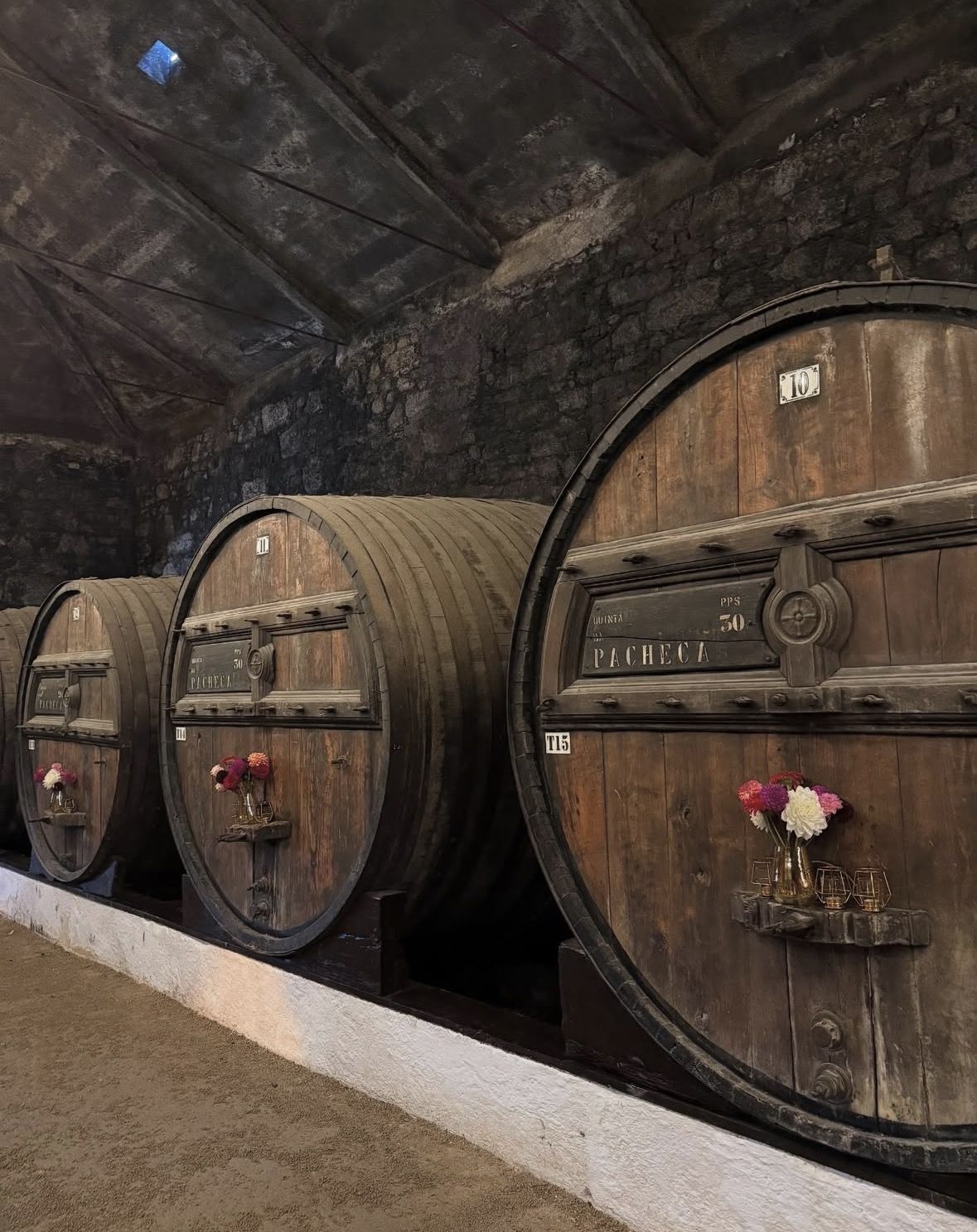
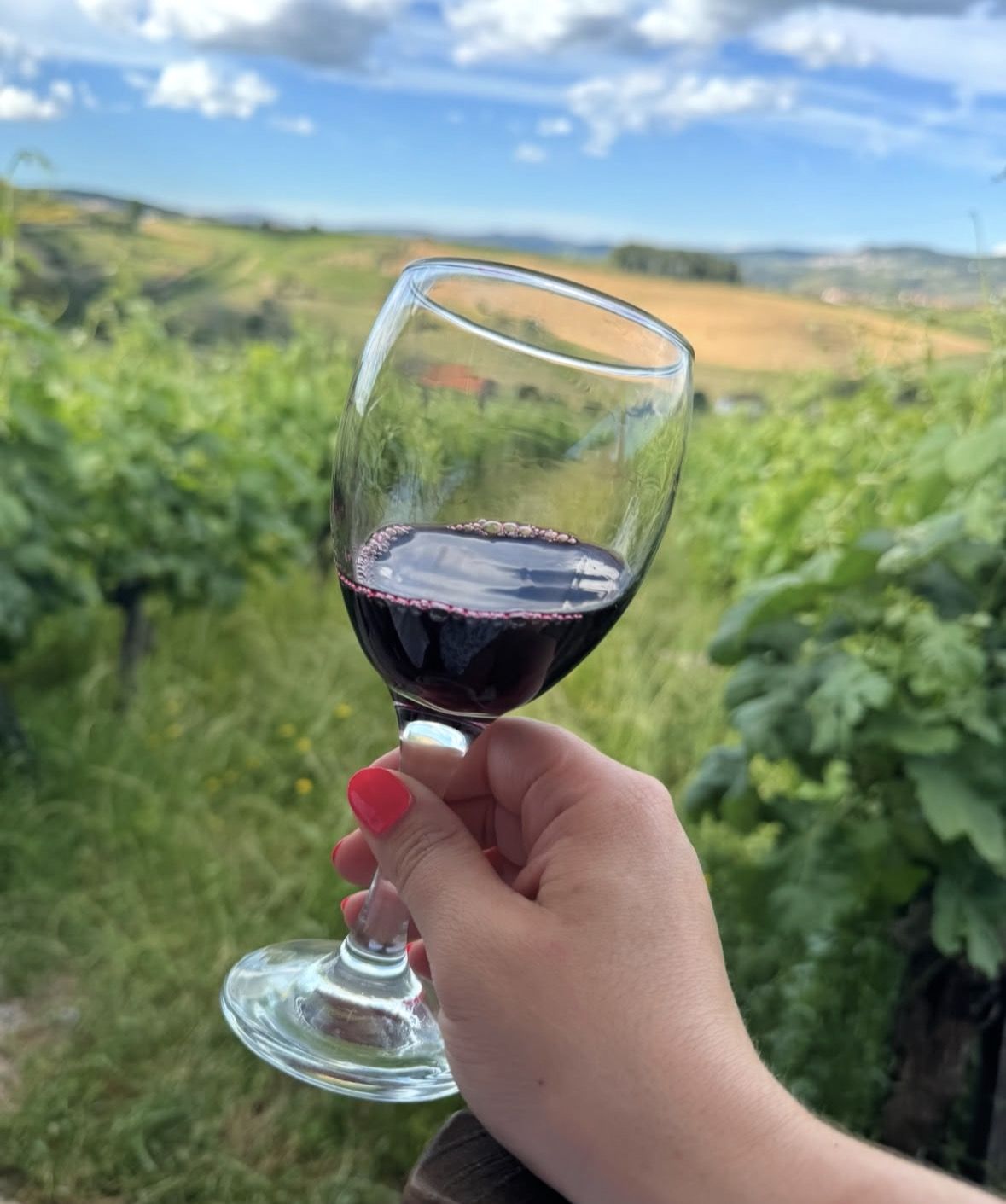
Today the Douro Valley operates as a seamlessly layered destination where ancient history and contemporary luxury coexist without friction. Visitors can trace Palaeolithic art at the Côa Valley Archaeological Park, tour Pombal-era quinta estates still producing wine under centuries-old names, and dine on modern Portuguese cuisine at restaurants that source their ingredients from the same terraced hillsides that fed Roman settlers two thousand years ago. The harvest season, running from late September through October, remains the most visceral connection to the valley's long story — a time when the scent of crushed grapes fills the air and some quintas still invite guests to tread grapes in traditional stone lagares to the sound of live music.
Whether you arrive by scenic train from Porto, sail upriver on a classic rabelo boat, or wind along the N222 — twice voted the world's most beautiful road — the Douro Valley rewards every traveller with a depth of experience that is genuinely rare. This is a landscape that has been loved, shaped, fought over, and celebrated for more than two millennia, and every visit adds another small layer to its extraordinary ongoing story. Come to taste exceptional wine, of course, but stay to understand one of Europe's most enduring and magnificent civilisations — one still very much alive along every bend of this ancient, golden river.
Ready to Experience It Yourself?
From guided quinta wine tours and UNESCO heritage trails to luxury river cruises and harvest experiences, the Douro Valley offers adventures that bring two thousand years of history vividly to life. Browse our handpicked selection of expert-led tours and exclusive packages to find the perfect way to explore this remarkable corner of Portugal. Book with confidence and let the Douro's legendary landscapes, world-class wines, and warm Portuguese hospitality create memories that will last a lifetime.
Book Your Tour Now