📍 Douro Valley, Portugal

Douro Valley: Portugal's Ultimate Wine Country

A UNESCO World Heritage landscape of dramatic terraced vineyards, ancient quintas, and one of Europe's most scenic rivers. From boat cruises to cycling trails, this storied wine region delivers memories that linger long after the last sip.

The Most Complete Wine Experience in the Douro

The Complete Douro Valley Wine Tour with Lunch, Wine Tastings and River Cruise is widely regarded as the definitive full-day excursion through Portugal's most celebrated wine region. Rated 4.9 stars by over 16,000 travellers, this expertly guided journey takes you deep into the UNESCO World Heritage landscape that has produced some of the world's finest wines for centuries. You will visit two of the Douro's most prestigious quintas, witness the full cultivation and production process at the source of Port Wine, and enjoy six carefully selected tastings that capture the region's incredible diversity. A generous traditional Portuguese lunch served with Douro wines and a breathtaking 50-minute cruise on the river itself round out an experience that is impossible to replicate on your own.

  • Guided visits to two of the Douro's finest wine estates
  • Six curated wine tastings including celebrated Port wines
  • Traditional Portuguese lunch paired with regional Douro wines
  • Scenic 50-minute cruise on the Douro River
  • Explore a UNESCO World Heritage Site with an expert guide
Book Now
⭐ Top Rated Complete Douro Valley Wine Tour with Lunch, Wine Tastings and River Cruise

Discovering Portugal's Legendary Wine Region

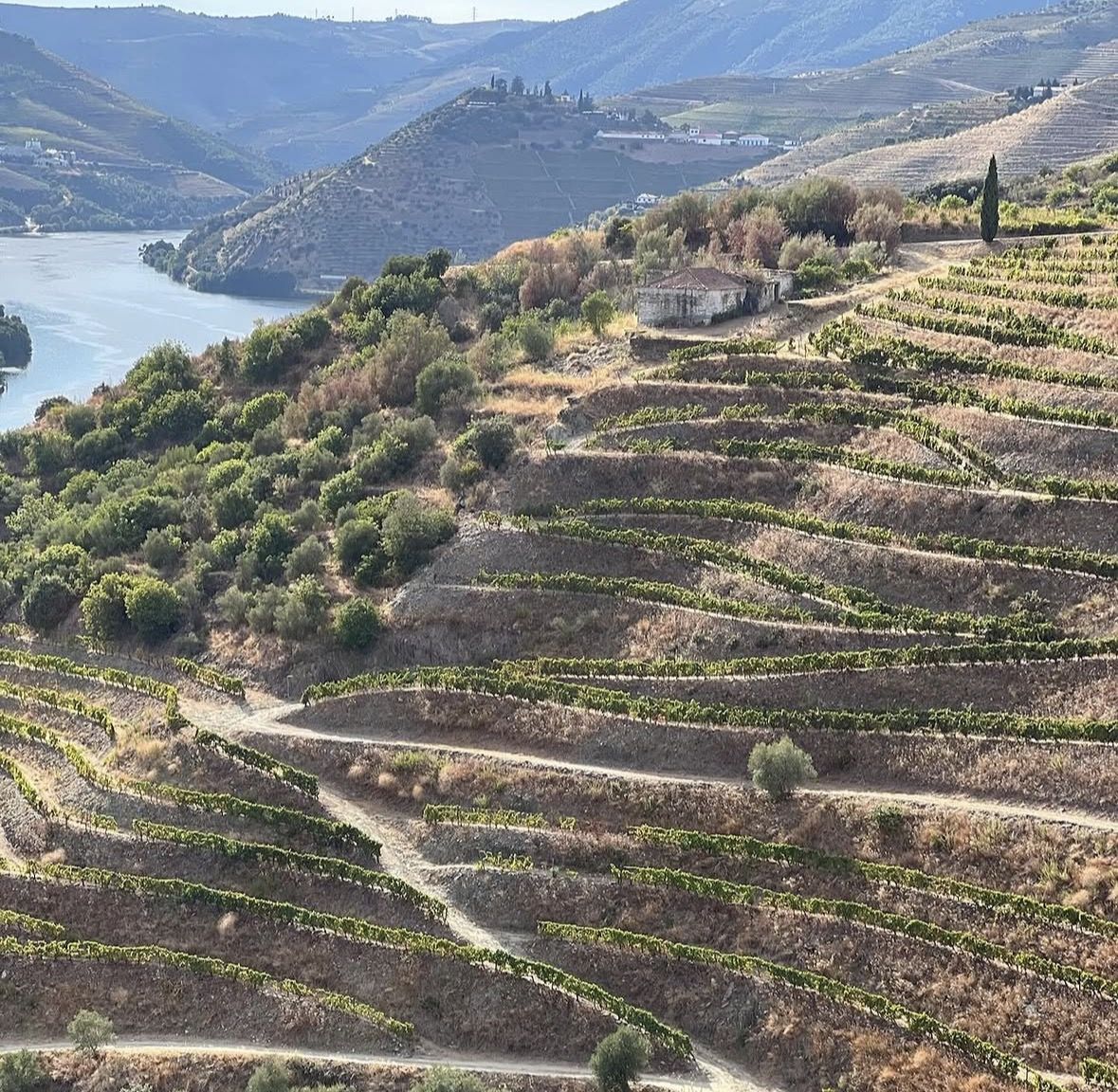
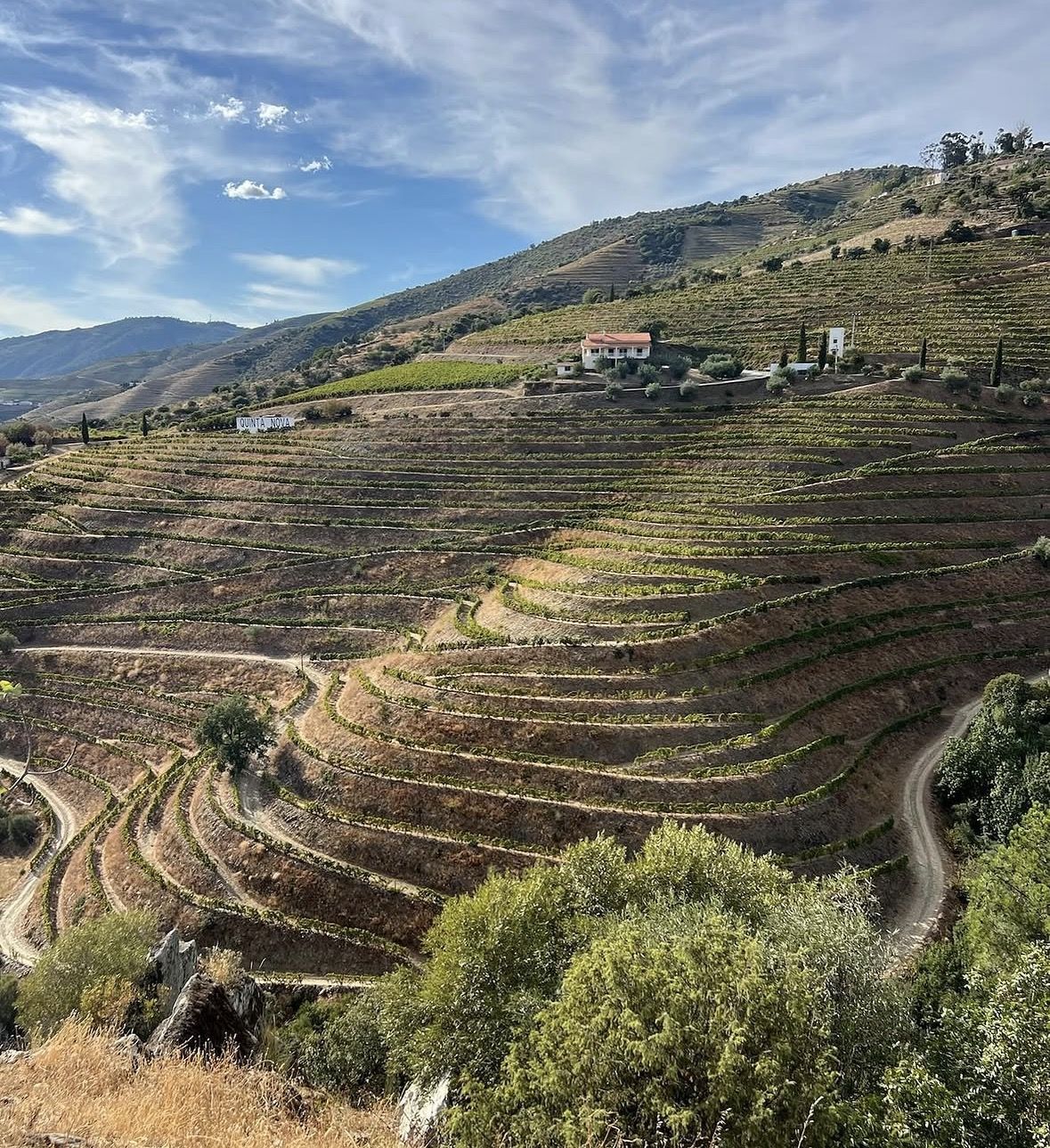
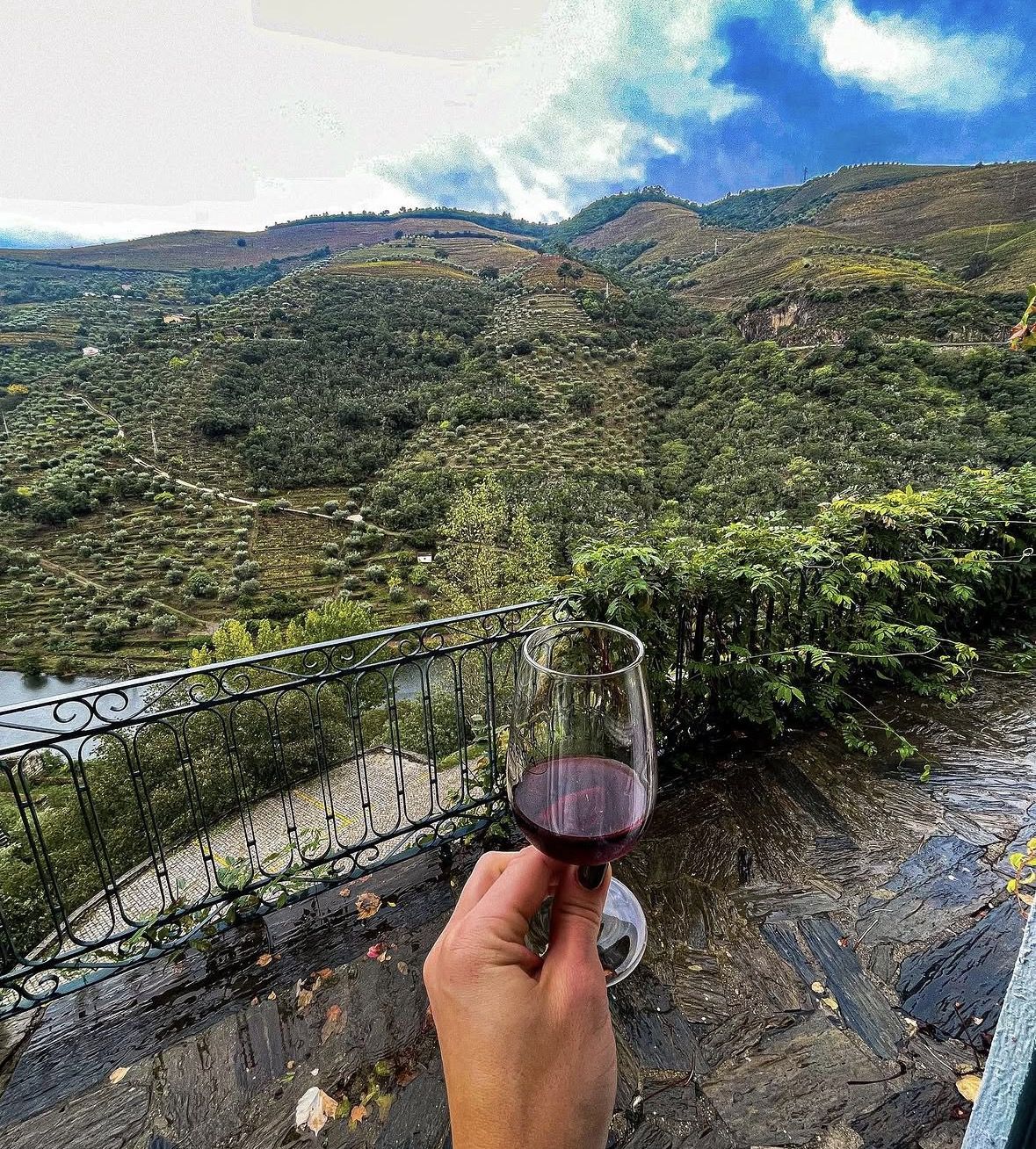
Carved by the Douro River across the northeast of Portugal, this UNESCO World Heritage landscape captivates with mile upon mile of terraced schist hillsides draped in vines. Villages, quintas, and ancient watchtowers punctuate a valley that has been producing wine for over two thousand years.

Stretching roughly 200 kilometres inland from Porto to the Spanish border, the Douro Valley is one of Europe's most dramatically beautiful wine regions. Three distinct sub-regions — Baixo Corgo, Cima Corgo, and Douro Superior — each offer their own character in terms of climate, grape varieties, and wine style. The river itself acts as a natural highway, linking historic towns such as Peso da Régua, Pinhão, and Foz Côa, while providing the iconic mirror-like reflections that make the scenery so unforgettable.

The region's winemaking roots trace back to Roman times, but its global fame was cemented in 1756 when the Marquis of Pombal established the world's first officially demarcated wine region here. This act of regulation protected Port wine's quality and provenance, setting a precedent that wine regions worldwide would eventually follow. The terraced vineyards carved painstakingly into schist bedrock by generations of farmers represent one of humanity's most enduring agricultural achievements, earning UNESCO World Heritage status in 2001.

Visitors today enjoy an extraordinarily rich palette of experiences. Wine tastings at family-owned quintas sit alongside riverside hiking trails, scenic train journeys, and leisurely boat cruises. The harvest season — known locally as the Vindima — transforms the valley each September and October into a festival of colour, music, and communal grape-picking that welcomes travellers warmly. Accommodation ranges from rustic guesthouses in sleepy villages to five-star quinta hotels perched high above the river.

🍷
Demarcated Since 1756
🌍
UNESCO Status Since 2001
📏
Region Length ~200 km
🌡️
Avg Summer Temp 35°C / 95°F
🍇
Grape Varieties Over 80
🚂
Scenic Train Line Linha do Douro
🍶
#1
Birthplace of Port Wine

Port wine has been produced in this river valley for centuries and remains its most celebrated export. The unique schist soils and extreme continental climate create grapes with extraordinary sugar concentration, essential for crafting Port's signature fortified richness.

🏛️
1756
World's First Wine Demarcation

When the Marquis of Pombal drew the first official boundaries around this wine-producing zone, he created a global template for wine regulation. The original boundary stones — granítico markers called 'feitoria' posts — can still be spotted across the hillsides today.

🌿
80+
Indigenous Grape Varieties

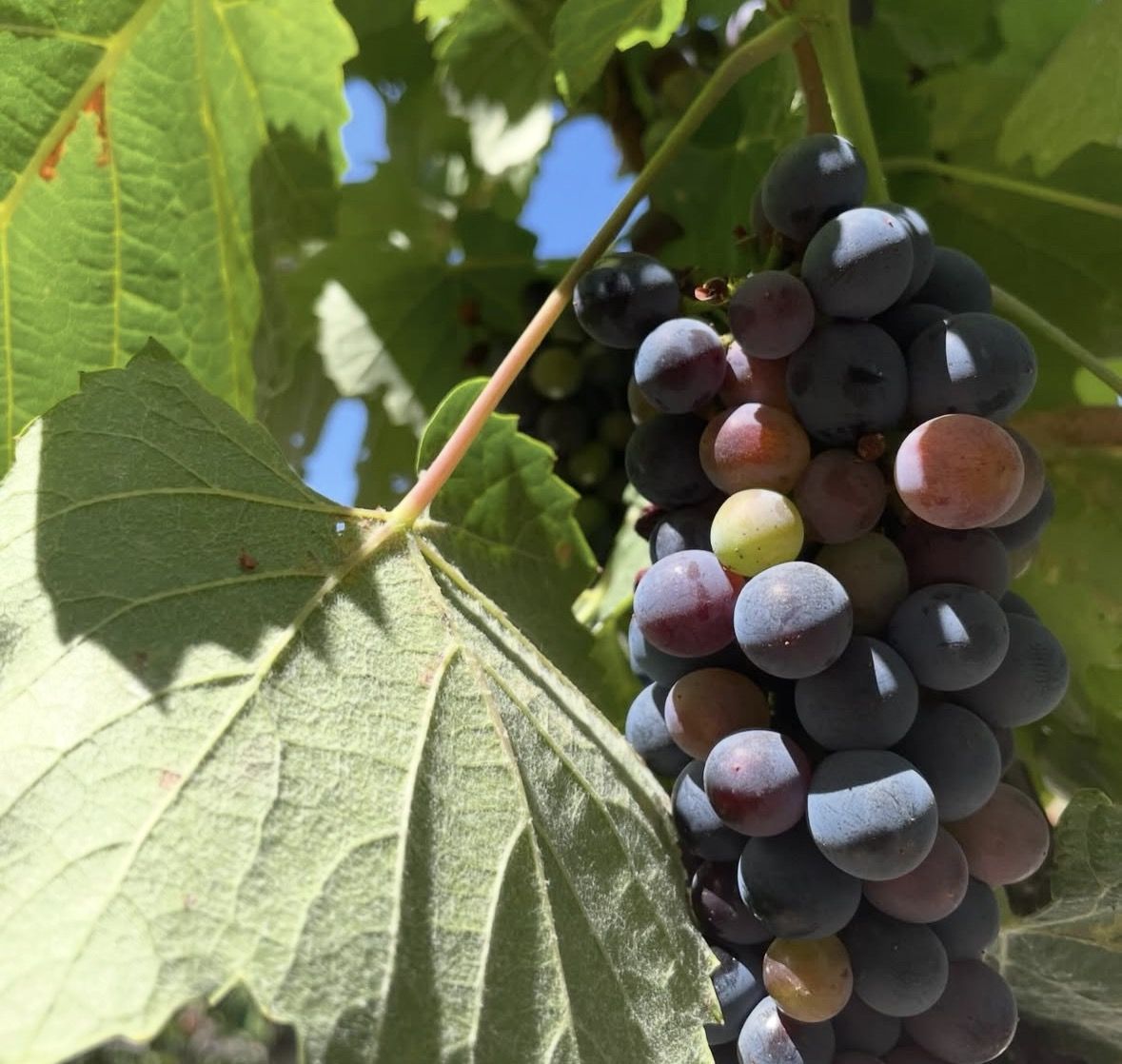
Few wine regions on Earth cultivate as many native grape varieties as this one. Touriga Nacional, Touriga Franca, Tinta Roriz, and Tinta Barroca headline the reds, while Rabigato, Viosinho, and Gouveio produce increasingly acclaimed white wines.

🚂
150 km
Scenic Railway Journey

The Linha do Douro rail line runs alongside the river from Porto all the way to Pocinho, offering passengers front-row views of terraced vineyards and granite gorges. The stretch between Régua and Pinhão is widely considered one of the most scenic train rides in Europe.

5
Historic Dam Locks

Five large dams — including Carrapatelo, one of the tallest in Western Europe — have transformed the river into a series of calm lakes ideal for cruising. Traditional Rabelo boats, once used to transport wine barrels to Porto, now ferry delighted tourists through the gorge.

🌅
300+
Sunshine Days Per Year

The valley's deep gorge traps heat and sunshine, giving the region one of Portugal's most extreme continental climates. Scorching summers regularly exceed 40°C, while winters can dip below freezing — conditions that stress-ripen grapes to astonishing complexity.

🍷

Wine Tasting at a Quinta

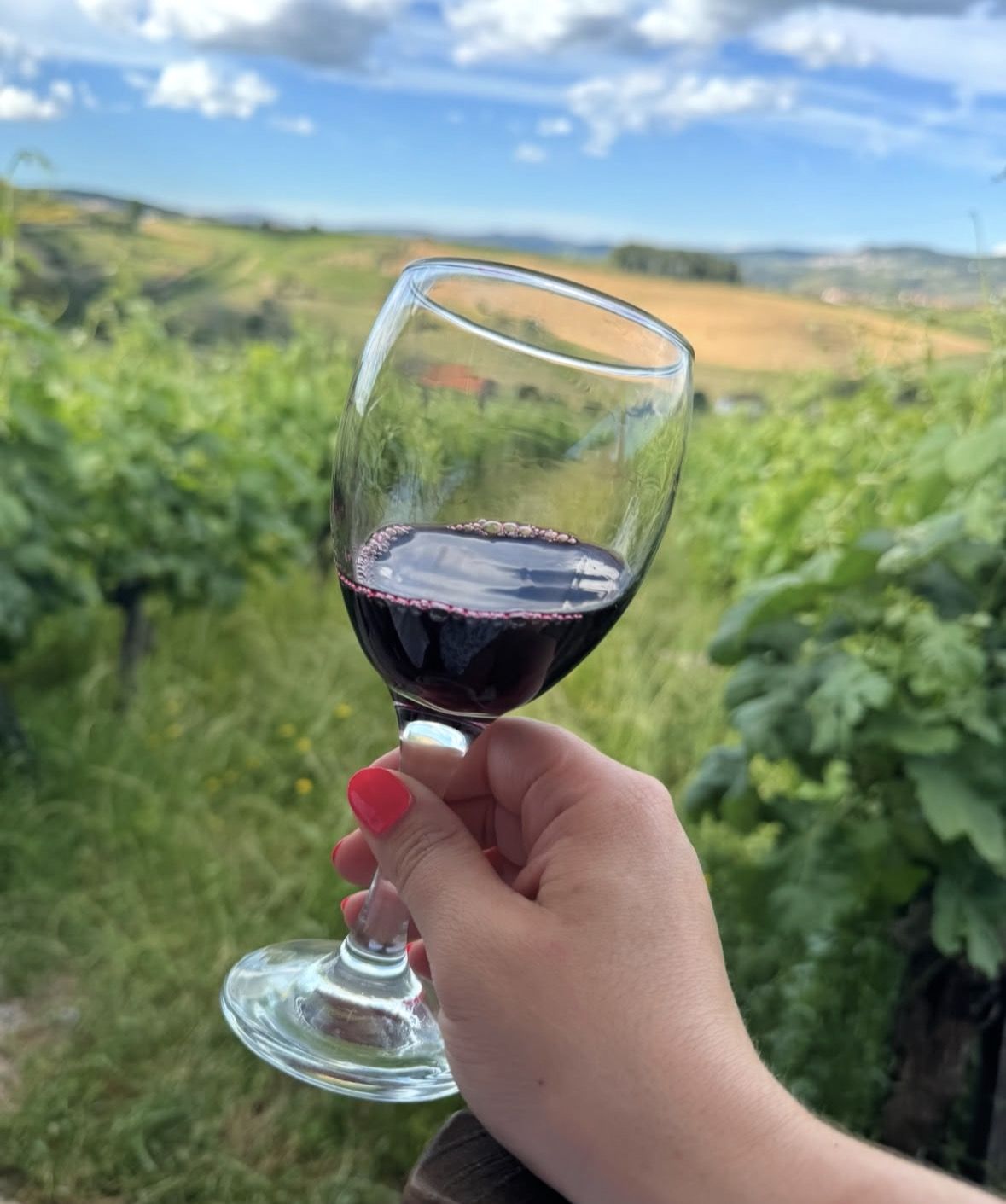
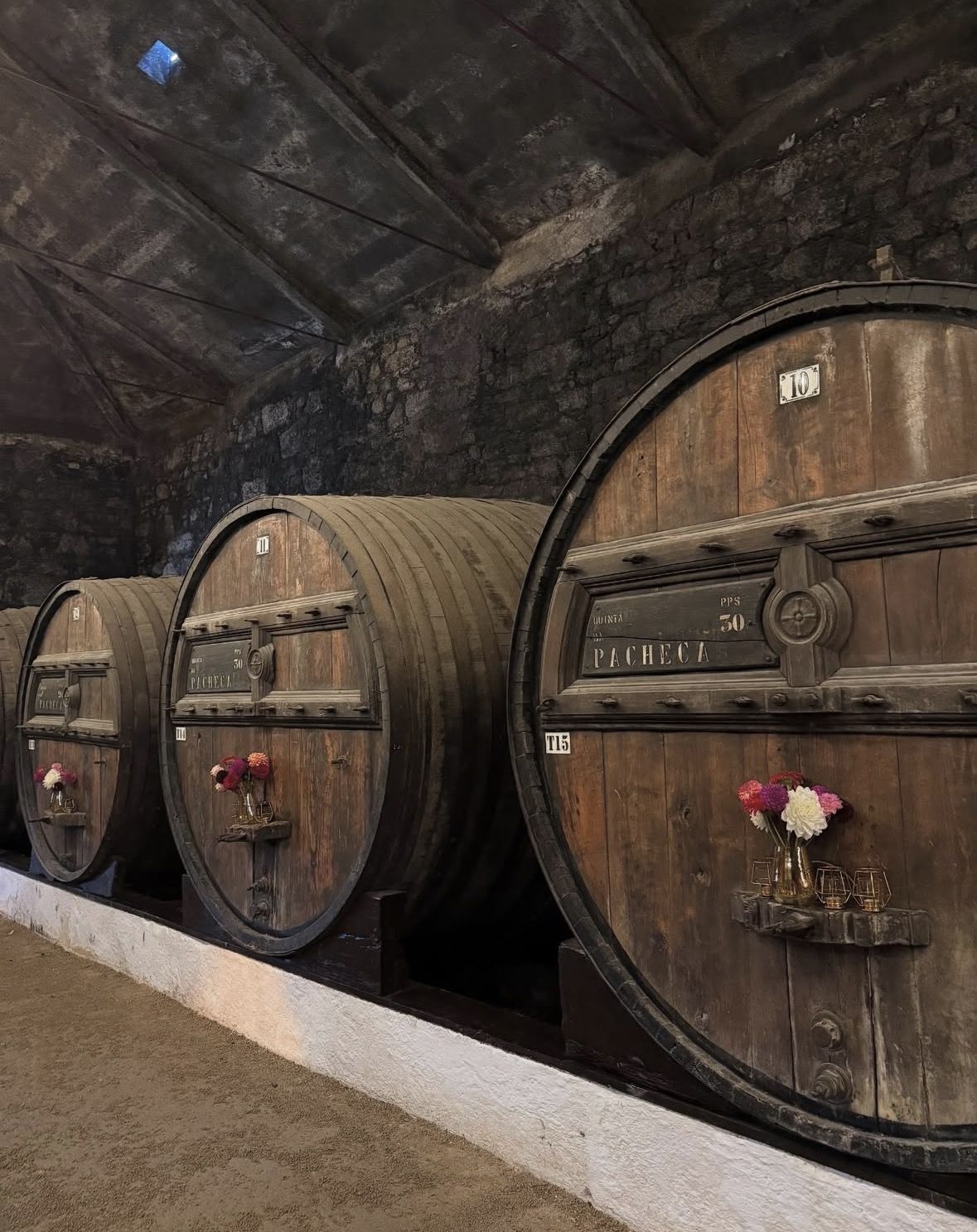
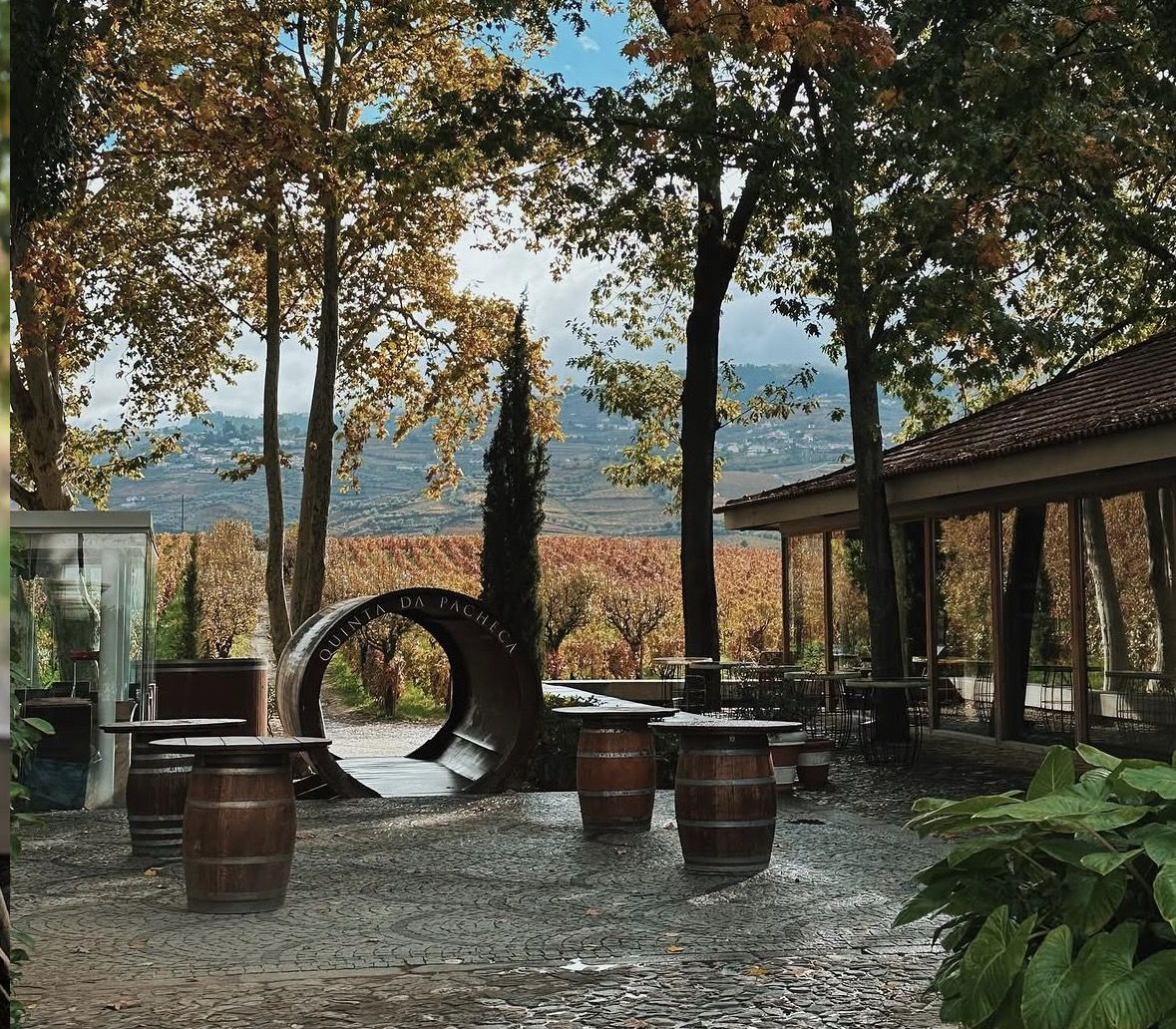
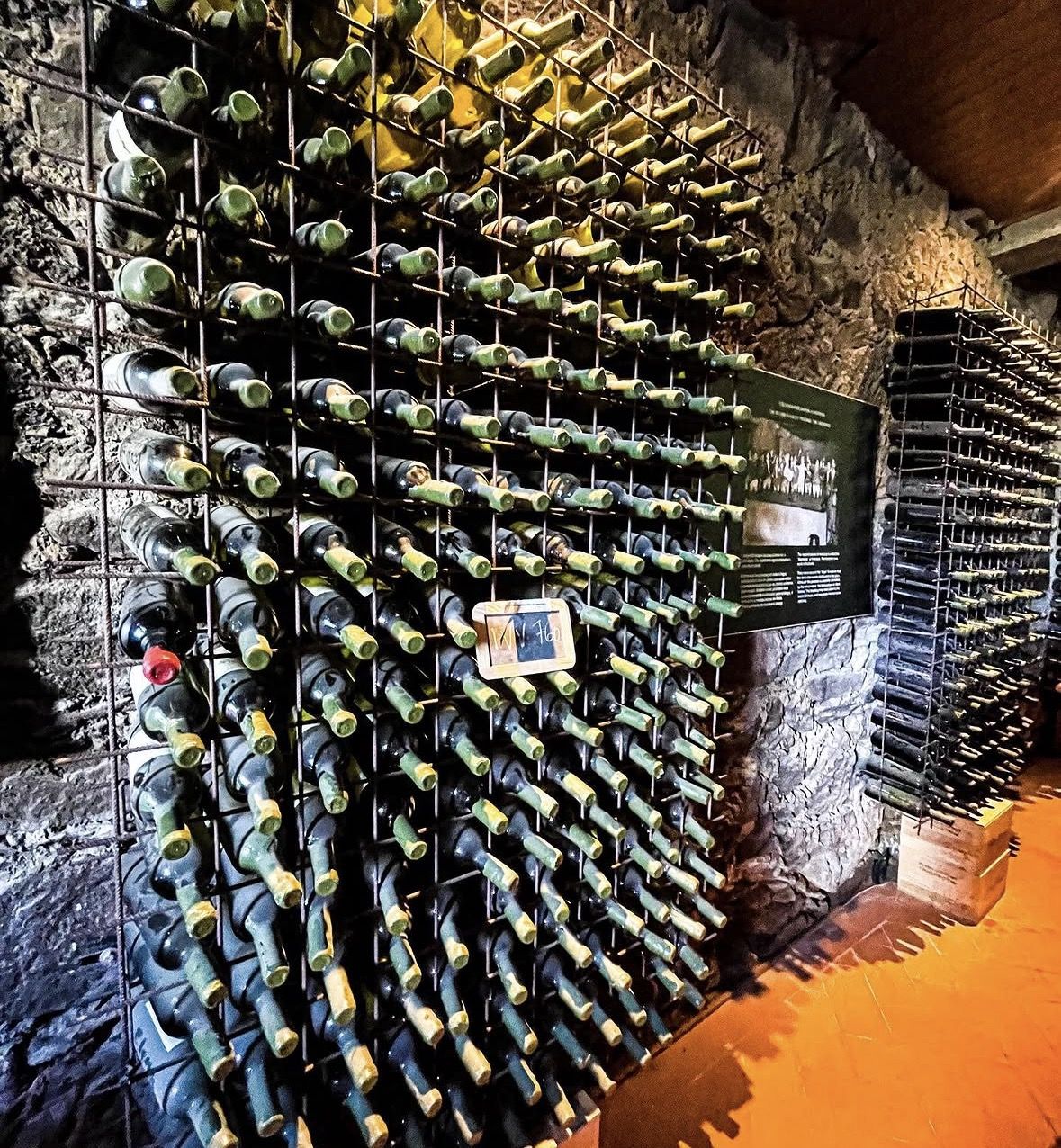
Book a douro valley wine tour with lunch at a historic quinta and sample everything from aged Tawny Port to crisp white wines paired with local charcuterie. Many estates offer cellar tours showing the traditional lagares where grapes were once foot-trodden by harvest workers.

Douro River Boat Cruise

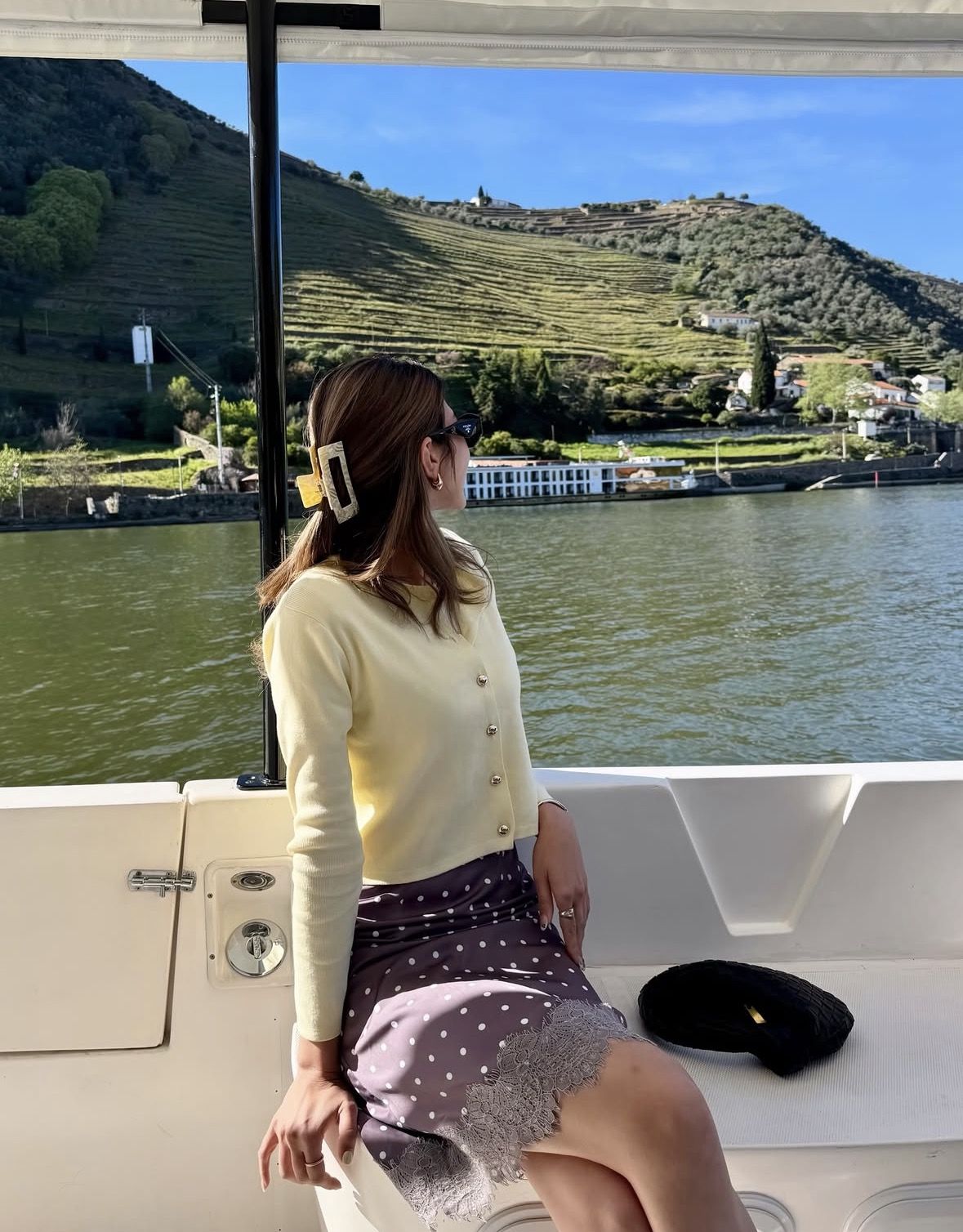
A douro valley boat tour glides you through the heart of the UNESCO landscape aboard a traditional Rabelo vessel or a modern river cruiser. Watch schist terraces rise dramatically on both banks as you drift between Peso da Régua and Pinhão, stopping at riverside quintas along the way.

🚲

Cycling the Vineyard Trails

A douro valley wine country bicycle tour is ideal for active travellers who want to combine scenic beauty with gentle exercise. Well-maintained tracks wind through vine rows and olive groves, passing stone villages where you can stop for espresso and petiscos at a local tasca.

🥾

Hiking the Schist Terraces

A douro valley hiking tour reveals perspectives no road or boat can match, leading you along ancient stone paths between vine terraces with sweeping panoramic views. Popular routes near São João da Pesqueira and Casal de Loivos reward hikers with some of the valley's finest miradouros.

🚂

The Linha do Douro Train Ride

Boarding a douro valley train tour from Porto's São Bento station is one of Portugal's great rail adventures, rolling through tunnels, over viaducts, and alongside the shimmering river. The journey to Pinhão takes roughly three hours and is lined with stunning azulejo-tiled station platforms.

🛶

Harvest Season (Vindima)

Arriving in September or October means you can witness — or even join — the annual grape harvest, a joyful community event steeped in tradition. Some quintas invite guests to stomp grapes in stone lagares in the evening, followed by dinner, folk music, and local wine under the stars.

How Douro Valley Compares to Similar Wine Destinations

Weigh up Europe's finest wine regions to find the perfect match for your travel style and budget.

Choosing a wine-focused destination can feel overwhelming when so many regions promise dramatic scenery and world-class bottles. The Douro Valley stands apart for its UNESCO status, extreme terraced landscape, and the unrivalled depth of its Port wine heritage, but travellers may also consider Tuscany, Bordeaux, or the Wachau Valley before booking. This comparison highlights key differences in crowd levels, price point, and what each region does best, helping you decide which destination truly matches your itinerary.

CrowdsPriceBest ForWhat Sets It Apart
★ Douro ValleyModerate — quieter than TuscanyMid-range to luxuryPort wine lovers, river cruises, dramatic sceneryWorld's oldest demarcated wine region with UNESCO-listed terraced landscape
Tuscany, ItalyVery high in peak seasonHigh to very highArt, food, Chianti & Brunello winesIconic rolling hills, Renaissance art cities, globally recognised wines
Bordeaux, FranceHigh, especially during harvestHigh to premiumCollectors, château grand tours, Médoc estatesPrestigious château culture, world-famous appellations, fine dining scene
Wachau Valley, AustriaModerate, busier in summerMid-rangeRiesling & Grüner Veltliner, cycling, Danube cruisesCompact, easily cycled valley with medieval abbeys and castle ruins

While Tuscany dazzles with art and Bordeaux impresses with prestige, the Douro Valley offers something genuinely rare: a living, working UNESCO landscape where ancient traditions survive untouched by mass tourism. Prices remain accessible, harvest experiences are intimate, and the combination of river, vine, and history creates an atmosphere that few rival wine regions can replicate.

Douro Valley Everything You Need to Know

Everything you need to plan a seamless, memorable trip to Portugal's wine heartland.

Getting to the Douro Valley: Transport & Access

The most convenient international gateway is Francisco Sá Carneiro Airport in Porto, served by direct flights from across Europe and beyond. From Porto, the valley is approximately 90 minutes by road or 2.5–3 hours by the scenic Linha do Douro train. Most organised tours include direct transfers from Porto hotels, making independent navigation of the winding valley roads completely optional.

Once inside the valley, hiring a car gives maximum flexibility for exploring remote quintas and hilltop villages. Taxis and rideshares are available in larger towns like Peso da Régua and Pinhão. Boat transfers between river towns are a delightful alternative, while the local train line connects key stops. Cycling is feasible in the flatter stretches, and many accommodation providers offer shuttle services between estates.

  • ✈️ Fly into Porto Airport (OPO) — closest major international hub, 90 min drive to the valley
  • 🚗 Rent a car in Porto for full flexibility; the IP4 motorway is the main artery into the region
  • 🚂 Take the Linha do Douro train from Porto's São Bento station to Régua or Pinhão (2.5–3 hrs)
  • 🚌 Join a guided douro valley day tour from Porto with included transport — hassle-free and popular
  • ⛵ Travel between Régua and Pinhão by river taxi or cruise boat for a scenic alternative to road
  • 🚕 Local taxis are available in Régua and Pinhão; book ahead during harvest season (Sep–Oct)
  • 🏨 Many quinta hotels offer private transfers from Porto — confirm when booking your stay
Scenic Linha do Douro train running alongside the river through terraced vineyard hillsides

Best Time to Visit: Seasons & Weather Guide

The valley rewards visitors year-round, but September and October are peak season for a reason: the Vindima harvest fills estates with colour, fragrance, and festivity. Spring (April–May) brings vivid green vine shoots and mild temperatures perfect for hiking and cycling. Summer is spectacularly sunny but extremely hot, often exceeding 40°C, so early morning activities and afternoon shade are essential planning considerations.

Winter (December–February) is cold, sometimes foggy, and some quintas close, but almond blossoms arrive in late January and the region takes on a quiet, romantic charm. Autumn colours in October and November are magnificent along the terraced hillsides. Rainfall is highest in the western Baixo Corgo sub-region and tapers dramatically toward the dry Douro Superior further east. Packing layers is wise in any shoulder season.

  • 🌸 April–May: ideal weather for hiking and cycling; vineyards flush with vivid green new growth
  • ☀️ June–August: maximum sunshine and long days; very hot (35–42°C) — book early morning activities
  • 🍇 September–October: harvest season (Vindima) — the most atmospheric and popular time to visit
  • 🍂 October–November: stunning autumn foliage on the terraces; crowds begin to thin noticeably
  • ❄️ December–February: cool and quiet; almond blossoms appear in late January near Foz Côa
  • 🌧️ Rainfall peaks in winter in the western valley; the eastern Douro Superior stays drier year-round
  • 🎉 Book well ahead for September harvest — wine tour with lunch options and quinta stays sell out fast
Golden autumn colours on Douro Valley terraced vineyards during the October harvest season

What to Pack for Your Douro Valley Trip

The key to packing well for this destination is versatility. Summer visits demand lightweight, breathable fabrics and serious sun protection — the deep valley acts as a heat trap. Spring and autumn travellers should layer up, as mornings can be cool even when afternoons are warm. Comfortable walking shoes are non-negotiable given the uneven schist paths and terraced vineyard tracks you'll encounter on most tours.

If you plan to join a douro valley hiking tour or douro valley wine country bicycle tour, pack moisture-wicking clothing and a compact daypack for snacks and water. Wine tasting experiences at upscale quintas lean smart-casual, so bring one smarter outfit for lunch or dinner. A good quality reusable water bottle is essential — hydration is critical in summer heat. Binoculars are a lovely bonus for spotting eagles along the gorge.

  • 👟 Sturdy, comfortable walking shoes with grip — essential for vineyard paths and stone terraces
  • 🕶️ High-SPF sunscreen, UV-blocking sunglasses, and a wide-brim hat for summer visits
  • 🧥 Light layers for spring/autumn mornings; evenings in the valley can drop quickly
  • 🎒 Compact daypack for hikes, bicycle tours, and carrying picnic supplies or wine purchases
  • 💧 Reusable water bottle (1L+) — vital in summer when temperatures regularly exceed 35°C
  • 📷 Camera or fully charged smartphone for the spectacular river and vineyard panoramas
  • 👔 One smart-casual outfit for quinta lunches, dinners, or a luxury wine tour experience
  • 🔭 Compact binoculars — great for spotting raptors along the gorge and distant terraced panoramas
Hiker on a schist path through terraced Douro vineyards wearing a daypack and sun hat

Local Tips & Insider Advice for First-Time Visitors

Portuguese hospitality is warm but understated — a simple 'bom dia' (good morning) or 'obrigado/a' (thank you) goes a long way at family quintas. Never rush a tasting; quinta owners take genuine pride in sharing their wines and history. When visiting smaller villages, avoid arriving between 1pm and 3pm as many shops and restaurants close for a proper lunch break, a custom still deeply respected throughout rural Portugal.

Cash is handy in smaller village cafes, though most quintas and restaurants now accept cards. Local cuisine is hearty and delicious — try bacalhau à Brás (salt cod), caldo verde soup, and the region's famous presunto (cured ham) from Chaves. Tipping around 10% is appreciated but not obligatory. Petrol stations become sparse east of Pinhão, so fill up before exploring the Douro Superior. Always book quinta visits and wine lunches in advance during peak season.

  • 🇵🇹 Learn a few basic Portuguese phrases — locals genuinely appreciate the effort, however small
  • 🕐 Respect the midday break (1–3pm): many village shops, cafes, and attractions close during this time
  • 🍽️ Book wine tour with lunch experiences at quintas well ahead — popular tables fill weeks in advance
  • ⛽ Fill up on petrol before heading east of Pinhão — stations are scarce in Douro Superior
  • 💳 Carry some cash for small village cafes, local markets, and roadside farm stalls
  • 📵 Mobile coverage can be patchy in the deepest parts of the gorge — download offline maps before you go
  • 🍇 Ask quinta staff about their single-quinta Port releases — often exceptional and hard to find abroad
Friendly quinta host pouring Port wine for guests at a rustic tasting table in the Douro Valley

Health & Safety Tips for Visiting the Valley

Portugal is a safe, stable country with excellent healthcare infrastructure, and no special vaccinations are required for EU or most Western travellers. The primary health consideration in summer is heat-related illness: temperatures inside the valley gorge can exceed 42°C, making shade, hydration, and rest vital during midday hours. If you plan physically demanding activities such as hiking or cycling, schedule them for early morning or late afternoon and carry sufficient water at all times.

Emergency services in Portugal are reliable — dial 112 for police, fire, or ambulance. Carry your EHIC card (EU citizens) or ensure you have comprehensive travel insurance covering medical evacuation, as the nearest hospitals are in Régua or Lamego. Swimming in the river is generally discouraged due to strong currents and boat traffic near dams. Sun-induced eye strain is common, so quality sunglasses are genuinely important, not just a fashion choice.

  • 🌡️ Heat exhaustion risk is high in summer — stay hydrated, seek shade between noon and 4pm
  • 🚑 Emergency number in Portugal: 112 (police, fire, ambulance — 24/7, English-speaking operators)
  • 🏥 Nearest hospitals are in Peso da Régua and Lamego; carry your EHIC card or travel insurance details
  • 🚫 Avoid swimming in the Douro River — strong currents and dam turbines make it genuinely dangerous
  • 🧴 Apply and reapply high-SPF sunscreen every 2 hours during outdoor wine tours and hikes
  • 💊 Pack a basic first-aid kit including blister plasters — essential for hiking vineyard paths
  • 🐍 Snakes (including the rare Lataste's viper) are present on hot rocky hillsides — wear closed shoes on trails
Sun safety reminder sign near a riverside trail in the Douro Valley with vineyards in the background

All Tours

Combine your visit with Porto's historic wine cellars, the prehistoric rock art of Côa Valley, or the baroque grandeur of Lamego Cathedral — all within easy reach.

Douro Valley What Visitors Are Saying

See what travelers are saying about their Douro Valley experiences — from riverside boat tours to hilltop vineyard tastings.

★★★★★

"Booking a small group douro valley tour was the best decision of our entire Portugal trip. Our guide was incredibly knowledgeable about Port wine production and took us to two quintas that aren't on the typical tourist circuit. The terraced vineyard scenery left us completely speechless — photos simply don't do it justice. We finished the day with a stunning sunset over the river and a glass of aged tawny Port. Absolutely unforgettable."

CB
Charlotte B.October 2024
★★★★★

"We opted for a douro valley wine tour with lunch and it exceeded every expectation. The traditional meal at the quinta featured local produce paired perfectly with the estate's own wines, and the sommelier walked us through each pairing with genuine passion. The drive through the UNESCO-listed landscape was stunning at every turn. I've done wine tours in Bordeaux and Tuscany, but this region felt more authentic and far less crowded. We're already planning to return."

MT
Marcus T.September 2024
★★★★☆

"We took the scenic train from Porto and it was one of the most beautiful rail journeys I've ever experienced, hugging the riverbank all the way through dramatic gorges and terraced vines. The douro valley train tour option is perfect if you prefer a relaxed pace without driving. My only minor gripe was that the return journey felt a little rushed, but our guide made up for it by arranging an impromptu tasting at a riverside quinta. A solid four stars and highly recommended for those who love train travel."

SM
Sofia M.June 2024
★★★★★

"The douro valley boat tour we joined was pure magic from start to finish. Gliding along the river on a traditional Rabelo boat, surrounded by those iconic stepped vineyards rising steeply on both sides, felt like travelling back through centuries of winemaking history. Our guide explained how the locks and dams transformed the river, making it wonderfully navigable. We ended the cruise at a quinta where we tasted four different wines on a sunny terrace. Truly one of the highlights of our whole European adventure."

JR
James R.August 2024
★★★★★

"I splurged on a luxury wine tour douro valley experience and every penny was worth it. The private vehicle was comfortable, the itinerary was completely tailored to our preferences, and we visited three prestigious quintas including one that is normally closed to the public. Our personal guide clearly had deep connections in the region, which translated into exclusive access and genuinely warm hospitality. If you're celebrating a special occasion, this is the way to do it."

IF
Isabelle F.May 2024
★★★★☆

"We joined a douro valley hiking tour and were rewarded with jaw-dropping panoramic views that you simply can't see from the road or the river. The trail wound through working vineyards and past centuries-old stone schist walls, with our guide sharing fascinating stories about traditional farming methods along the way. The mid-hike picnic with local cheeses, cured meats, and a bottle of Douro red was a lovely touch. It's moderately challenging terrain, so wear proper footwear — but the views from the ridge are absolutely worth the effort."

EL
Erik L.April 2024
★★★★★

"We chose a douro valley private tour as a surprise for my husband's birthday and the operator made the whole day feel completely bespoke. We started with a tasting at a historic quinta dating back to the 18th century, then enjoyed a leisurely cruise on the river before a long, indulgent lunch on a vineyard terrace. The guide adjusted our pace throughout the day to match our mood, which made it feel relaxed rather than rushed. My husband said it was the best birthday he's ever had — high praise indeed."

RH
Rachel H.July 2024
★★★★★

"Signing up for the douro valley wine country bicycle tour was a spontaneous decision and one of the best I've ever made while travelling. Cycling between quintas on quiet back roads, with vineyard rows stretching endlessly up the valley slopes, was both exhilarating and deeply peaceful. The e-bike option made the hilly terrain very manageable, and our small group had a fantastic camaraderie by the end of the day. We wrapped up with a tasting flight at a charming family-run quinta — the perfect reward after a day in the saddle."

LK
Lena K.September 2024

Watch the Douro Valley Come Alive

See the terraced vineyards, river cruises, and harvest festivities in breathtaking video before you book.

YouTube video thumbnail showing aerial view of terraced Douro Valley vineyards at sunset

Find the Douro Valley

The Douro Valley wine region stretches from Peso da Régua eastward through Pinhão to the Spanish border, in the Norte region of northern Portugal.

Douro Valley Frequently Asked Questions

Everything you need to know before booking a tour in this iconic Portuguese wine region.

The region is beautiful year-round, but most visitors prefer September and October when the grape harvest (Vindima) takes place and the terraced vines turn golden and amber. Spring (April to June) is equally gorgeous, with lush green landscapes and mild temperatures ideal for hiking and cycling. Summer can be very hot inland, often exceeding 40°C, so plan outdoor activities for early morning. Winter offers a quieter, more intimate experience with lower prices and dramatic misty river scenery.
The most scenic option is the regional train from Porto's São Bento or Campanhã station, which follows the river and takes roughly two to three hours to reach Pinhão. Driving takes about 90 minutes via the A4 motorway and gives you flexibility to stop at viewpoints along the way. Many visitors prefer a guided day tour from Porto, which handles all transport and logistics, leaving you free to enjoy the scenery and tastings. River cruises departing from Porto are another memorable way to arrive, though they typically take a full day.
Most full-day tours depart Porto in the morning and include stops at two or three quintas for guided cellar visits and wine tastings. A traditional Portuguese lunch, often at a quinta restaurant with river views, is frequently included or offered as an add-on. You'll learn about Port wine production, the region's UNESCO World Heritage status, and the remarkable story of the world's oldest demarcated wine region. Groups are generally small, keeping the experience personal and unhurried.
Absolutely — seeing the landscape from the water offers a perspective that roads simply cannot replicate. Traditional Rabelo boats, once used to transport Port wine barrels to Porto, sail past sheer schist cliff faces and stepped vineyards that rise dramatically from the riverbanks. Many boat tours combine the river cruise with a quinta visit and wine tasting on shore. Whether you opt for a short half-day cruise or a full-day wine boat tour, it's widely considered one of the region's most memorable experiences.
Yes — the area offers trails ranging from gentle riverside walks to more demanding ridge routes with sweeping valley panoramas. A dedicated douro valley hiking tour typically includes a knowledgeable local guide who can point out native flora, historic schist villages, and working vineyard terraces along the way. The PR3 trail near Pinhão and the routes around the Rio Tedo valley are particularly popular. Always bring sun protection and plenty of water, especially if you're visiting between June and September.
A private tour gives you an exclusive, fully customisable itinerary — your guide, your pace, and your choice of quintas and activities. This is ideal for special occasions, honeymoons, or travellers with specific wine interests. Small group tours (typically 8–16 people) are more affordable, socially enjoyable, and still provide expert guiding and carefully selected stops. Both options generally include hotel pickup from Porto and offer a far more immersive experience than attempting to navigate the winding valley roads independently.
A douro valley half day tour is a great option if you're short on time or prefer a lighter itinerary. These tours typically focus on one or two quintas and may include a tasting flight and a short scenic drive or river cruise segment. They're particularly popular for travellers with an afternoon flight from Porto or those combining the valley with another destination the same day. Just keep in mind that the full-day experience allows you to explore the more remote upper valley, which is where the most dramatic landscapes tend to be.
Port wine — both Ruby and Tawny styles — is the obvious starting point and the region's most famous product. However, the unfortified Douro table wines have earned tremendous international acclaim in recent decades and are equally worth seeking out. Look for reds made from indigenous varieties like Touriga Nacional, Touriga Franca, and Tinta Roriz, which produce powerful yet elegant wines. Many quintas also produce excellent white Douro wines, which are crisp and mineral-driven — a refreshing discovery for many visitors.
The terrain is hilly, but modern e-bikes have made a douro valley wine country bicycle tour accessible to a much wider range of fitness levels. Most operators provide e-bike options as standard and design routes along quieter back roads that wind between quintas at a leisurely pace. It's still a good idea to be comfortable riding a bike in general, as some slopes require a degree of balance and confidence. The reward — arriving at a vineyard terrace for a tasting after a gentle ride through the vines — is hard to beat.
Comfortable walking shoes are essential, as most quinta visits involve some walking on uneven cobblestone or schist paths. In summer, lightweight, breathable clothing, a hat, and high-factor sun cream are non-negotiable given the intense heat. Layers are advisable in spring and autumn, as mornings near the river can be cool even when afternoons are warm. A small day bag with a reusable water bottle, a light jacket, and your camera or a fully charged phone will cover most eventualities — and don't forget to leave room in your bag for a bottle or two of wine to bring home.

Ready to taste Portugal's most legendary wine country for yourself?

Book Your Tour

Two Thousand Years of Winemaking History

From Roman viticulture to the Marquis of Pombal's world-first wine demarcation in 1756, the story of this river valley is inseparable from the story of wine itself. Discover how generations of farmers carved an extraordinary landscape — and a legendary drink — out of steep schist cliffs.

📅 Book Now